
CMDE/ Diagnostics Assessments
What is a Comprehensive Multidisciplinary Evaluation (CMDE)?
A CMDE is an assessment required to determine eligibility and medical necessity for Early Intensive Developmental and Behavioral Intervention (EIDBI) services. It must be completed before services can begin by a Minnesota Health Care Programs (MHCP)-enrolled CMDE provider or clinical trainee and updated at least every three years, or sooner if needed.
The CMDE process is completed in person and/or telehealth and includes reviewing medical and developmental history, confirming diagnosis, completing assessments and observations, and providing service recommendations based on the needs and preferences of the individual and their family or caregivers.
Determining eligibility for EIDBI services
Identifying medically necessary supports and treatment recommendations
Providing a comprehensive understanding of developmental and behavioral needs
Guiding individualized treatment planning and goal development
Supporting families and caregivers with recommendations and resources
Helping ensure services are tailored to the individual’s unique needs and strengths
How to prepare for a CMDE?
Before a CMDE, the care team helps families understand what to expect and how to prepare for the assessment process. This may include:
- Gather Documentation
- Bring medical records, recent wellness visits, diagnoses, treatment plans, school records, IEPs, therapy reports, and any previous evaluations (psychological, speech, occupational therapy, etc.).
- List Concerns and Goals
- Write down developmental, behavioral, or medical concerns, challenges with communication, social skills, learning, or daily activities, and goals you hope therapy will support.
- Prepare Your Child for the Evaluation
- Explain the evaluation in a simple, reassuring way. If helpful, show pictures of the clinic or evaluators beforehand and bring a comfort item such as a favorite toy or blanket.
- Ask Questions and Take Notes
- Prepare questions about the evaluation process, recommendations, next steps, and therapy options. Take notes during the appointment to help remember important information.

- Be Open and Honest During the Evaluation
- Share accurate information about your child’s strengths, challenges, behaviors, sensory sensitivities, emotional regulation, and triggers across different settings.
- Share accurate information about your child’s strengths, challenges, behaviors, sensory sensitivities, emotional regulation, and triggers across different settings.
The goal is to create a supportive and collaborative process that helps families feel informed, prepared, and involved throughout the evaluation!
Diagnostic Assessment (DA)
A Diagnostic Assessment (DA) is an evaluation used to understand a person’s mental health, behavior, and developmental needs. It helps determine eligibility for services and provides important information used during the CMDE process. The assessment may be completed in person or through telehealth and can take place over more than one session.
The DA includes interviews, observations, assessments, and a review of the person’s history, strengths, challenges, and daily functioning. The results help confirm a diagnosis and guide service recommendations that support the individual and their family or caregivers.
Assessment Tools
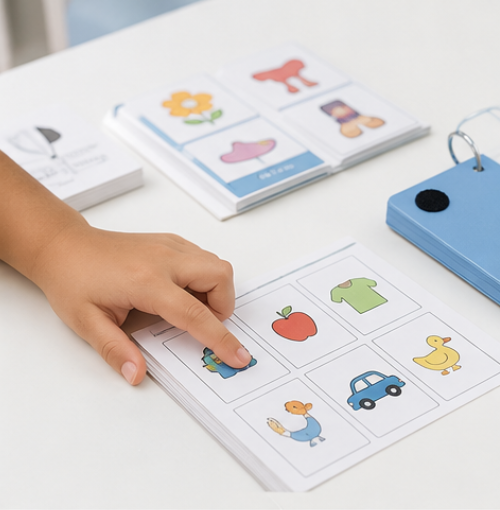
Standardized mental health assessment tools used during a CMDE or Diagnostic Assessment (DA) help evaluate development, behavior, communication, social skills, and daily functioning. They are statistically reliable and valid, meaning they are accurate and consistent in what they are intended to measure.